Designing a Water-Wise Yard That Stays Green All Year
Rethinking the Traditional Lawn
For decades, the ideal home landscape meant a broad expanse of green grass, carefully watered through the hottest months. But with shifting weather patterns and growing concerns over water use, many homeowners are reconsidering what a beautiful yard looks like. The goal is no longer just a carpet of green at any cost, but a space that stays attractive, functional, and responsible with resources. This shift has led to a practical approach that combines smart plant choices, efficient design, and materials that reduce the need for constant irrigation.
Where to Start: Assessing Your Yard and Your Goals
Before making any changes, take a close look at your property. Note how the sun moves across the space, where water naturally collects, and which areas stay dry or shady. Think about how you actually use the yard. Do you need a play area for children, a spot for pets, or a quiet garden for relaxing? Understanding these patterns helps you decide which parts of the landscape need to be lush and which can be more minimal. This planning stage is where many people realize they can keep some traditional grass while converting other zones to lower-water alternatives.
Core Principles of Water-Efficient Design
Water-wise landscaping is not about removing all greenery. It is about grouping plants with similar water needs together, improving soil so it holds moisture better, and using hardscaping and ground covers that do not need watering at all. A well-designed space might include a mix of drought-tolerant shrubs, perennial flowers, and permeable surfaces that let rainwater soak into the ground rather than running off. The underlying principle is to work with the local climate rather than fighting it.
Choosing the Right Plants
Native and adapted plants are the backbone of a low-water landscape. They have evolved to survive on natural rainfall once established, and they support local pollinators and wildlife. Look for species that thrive in your region's typical conditions. Succulents, ornamental grasses, lavender, sage, and yarrow are common choices that offer color and texture without heavy watering. Avoid plants that demand constant moisture or require frequent misting. A good rule is to select plants that would survive in a natural setting nearby.
Reducing Irrigation Without Sacrifice
One of the biggest shifts in modern landscaping is moving away from spray sprinklers, which lose a lot of water to evaporation and wind. Drip irrigation delivers water directly to the root zone, and smart controllers adjust watering based on weather and soil moisture. Even a simple adjustment like watering deeply but less often encourages roots to grow deeper, making plants more resilient. Many homeowners find they can cut watering by half or more just by improving their irrigation system and scheduling.
The Role of Artificial Turf in a Water-Wise Plan
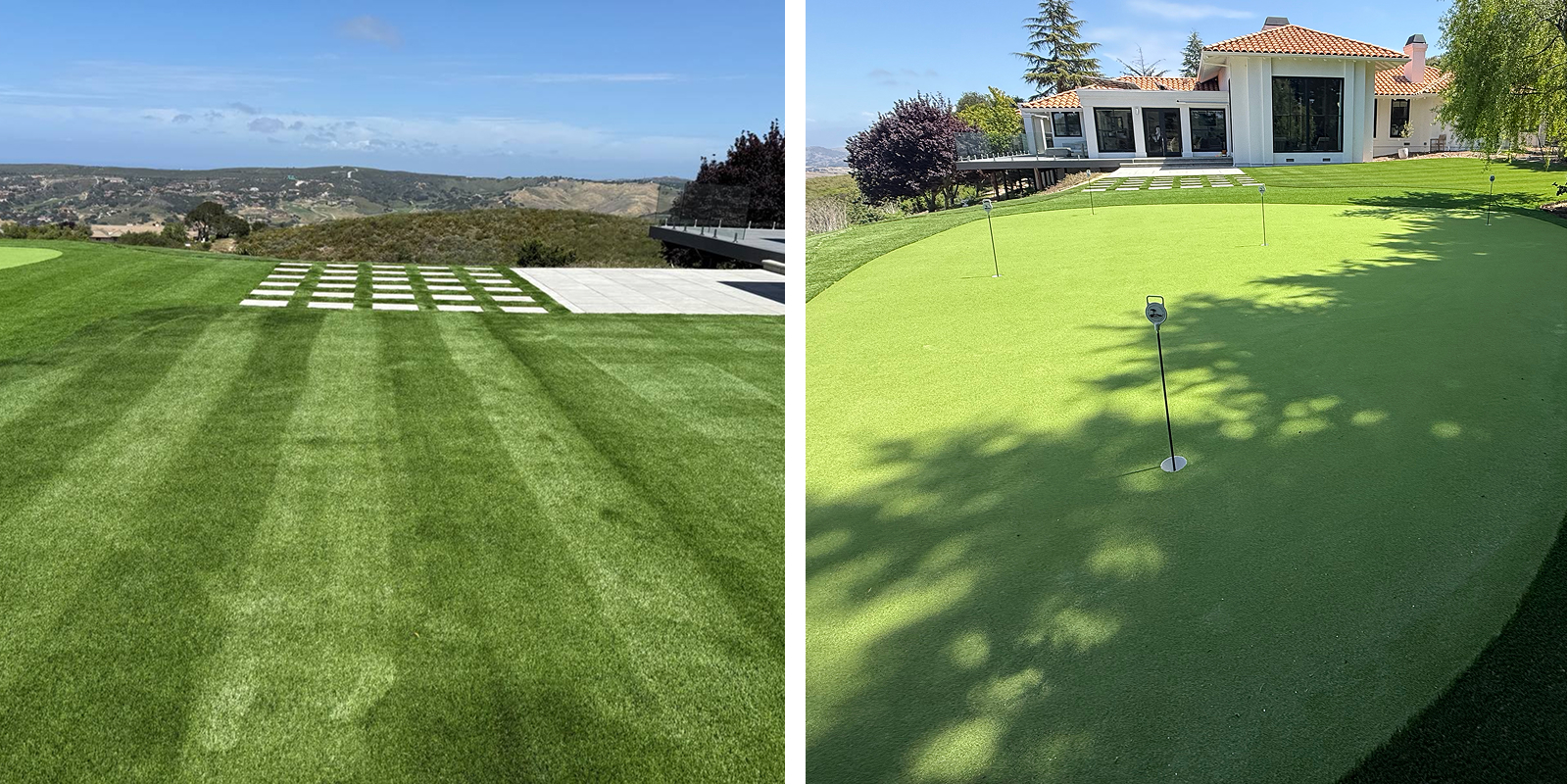
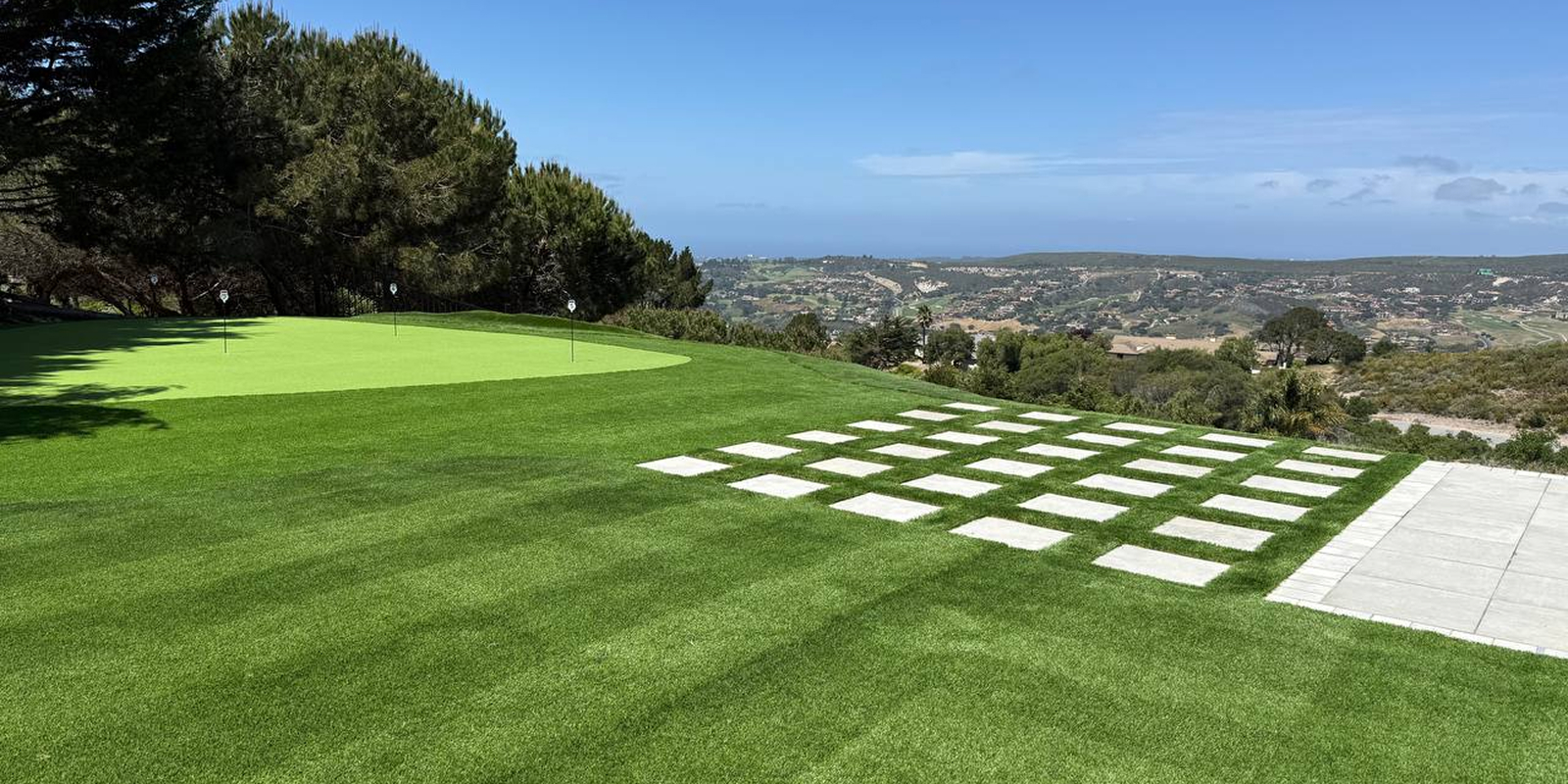
For areas that still need a green, usable surface - such as a children's play area, a pet run, or a space for entertaining - synthetic grass is a practical choice. It stays green without any watering, and it eliminates the need for mowing, fertilizing, and pesticides. Modern artificial turf is designed to look natural and drain well, so it does not create puddles or runoff. When used strategically, it can replace thirsty grass on slopes, narrow strips, or high-traffic zones where natural grass struggles to grow. This approach is a key part of drought-friendly landscaping because it reduces overall water demand while still providing a functional, attractive yard.
Permeability and Drainage: Keeping Water Where It Belongs
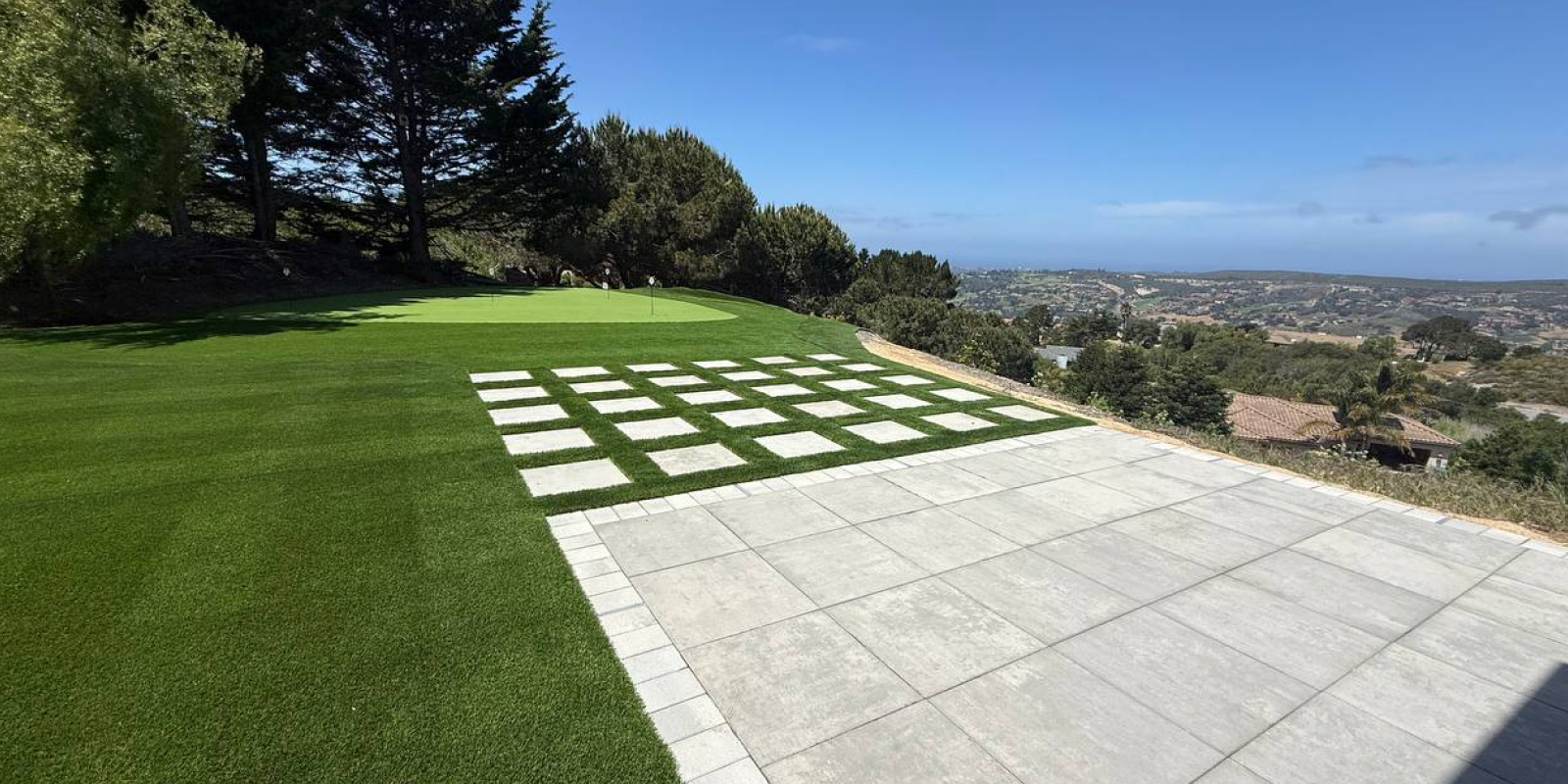
A common concern about replacing grass with hard surfaces is that rainwater will run off instead of soaking into the ground. Good design addresses this by using permeable materials. Gravel, decomposed granite, permeable pavers, and open-jointed patios let water filter through. Even with artificial turf, the backing is designed to allow drainage, and the base layer can be engineered to promote infiltration. When planning your landscape, think about where water flows and try to keep it on your property rather than sending it to the street. Rain gardens and swales are simple features that capture runoff and let it soak into the soil, supporting nearby plants.
Maintenance and Long-Term Care
One of the attractions of a water-efficient yard is that it requires less ongoing work. But it is not no-maintenance. Weeds will still appear in gravel beds and between pavers. Plants need occasional pruning and mulching. Artificial turf benefits from occasional rinsing and brushing to keep it looking fresh and to prevent compaction. The key is that the time you save on mowing and watering can be spent on the parts of the landscape that give you the most enjoyment. A well-planned yard should feel like a retreat, not a chore.
Balancing Aesthetics and Practicality
There is a misconception that a water-wise yard must look like a desert or a rock garden. In reality, the best designs are lush and inviting. By combining different textures, heights, and colors, you can create a landscape that feels full and varied. The use of ground covers, flowering perennials, and ornamental grasses adds softness. Hardscaping elements like stone paths, seating areas, and raised beds provide structure. The goal is to create a space that feels intentional and beautiful, not sparse or barren.
Common Mistakes to Avoid
One common error is removing all lawn without a plan for what will replace it. Bare soil quickly becomes a weed patch. Another is choosing plants that are labeled "drought-tolerant" but are not suited to your specific climate or soil. Some plants need excellent drainage to survive, while others need occasional deep watering. A third mistake is ignoring the microclimates in your yard. A plant that thrives in full sun may struggle in a shady corner, and vice versa. Finally, do not underestimate the importance of proper installation for hardscaping and artificial turf. Poor drainage or an uneven base can lead to problems down the road.
Making the Transition Gradually
You do not have to overhaul your entire yard at once. Start with the area that consumes the most water or causes the most trouble. Replace a section of thirsty lawn with a low-water garden bed or a patch of synthetic grass. See how it works for a season. Adjust your irrigation schedule as you remove turf. Over time, you will learn what works for your space and your lifestyle. This gradual approach is less overwhelming and allows you to invest in quality materials and plants as you go.
Putting It All Together
A yard that uses less water does not have to sacrifice beauty or function. By combining smart plant choices, efficient irrigation, and durable surfaces like artificial turf, you can create an outdoor space that looks good year-round and supports water conservation. The key is thoughtful planning and a willingness to move away from the old standard of a monoculture lawn. Whether you are starting from scratch or remodeling an existing landscape, the principles of drought-friendly landscaping can guide you toward a yard that is both resilient and inviting.